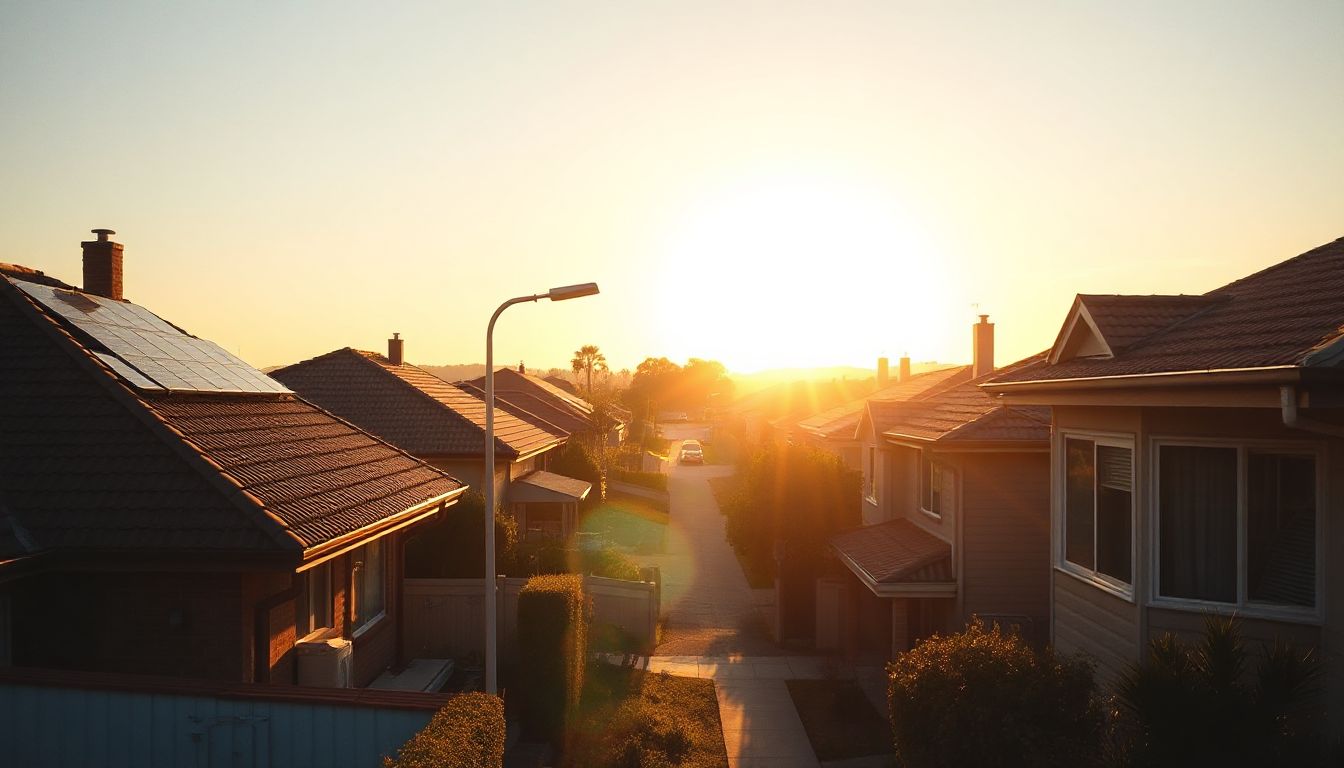
How to Reduce Your Electricity Bill: Practical Tips and Tricks
- July 24, 2025
- Lux Electrical Industries
Do you ever open your electricity bill and feel a jolt? That sharp surprise as you see the total? You are not alone. With energy costs rising across Australia, many households seek ways to cut down their expenses.
High power bills can be a real burden. But what if you could take control? This article offers practical, easy-to-follow strategies. We will show you how to lower your energy use and, in turn, reduce your electrical bills in Australia significantly.
Understand Your Electricity Bill and Usage Patterns
Understanding your power use is the first step to saving money. Knowing what you pay for helps you make smarter choices. Your energy bill isn’t just one big number.
Decoding Your Energy Bill
Your electricity bill has several parts. “Usage charges” reflect the amount of power you use, measured in kilowatt-hours (kWh). “Supply charges” cover the cost of getting electricity to your home, a fixed daily fee. You also pay “network charges” for maintaining poles and wires. Government levies and GST are usually added on top. Seeing these parts helps you see where your money goes.
Identifying Your Peak Usage Times
Many Australians are on “time-of-use” tariffs. This means electricity costs more during peak hours, usually evening. You can find these times on your bill or through your smart meter data. Running big appliances during peak times can really bump up your bill. Why pay more when you don’t have to?
Understanding Your Usage Data (Smart Meters)
Smart meters give you clear data on your power use. Most energy providers offer an app or website for this. Here, you can track daily or even hourly consumption. This data is powerful. It shows you when you use the most energy and helps you spot wasteful habits.
Optimize Your Home’s Energy Efficiency
Making your home more efficient stops energy waste before it starts. This means less heating or cooling needed. It’s about smart design and simple fixes.
Insulation: The Silent Energy Saver
Proper insulation is crucial for any Australian home. Roof and wall insulation keep your home cooler in summer and warmer in winter. Look for higher R-values, which mean better insulation. Good insulation means your heating and cooling systems work less hard. Some government schemes might even offer rebates for upgrades.
Sealing Air Leaks (Draft Proofing)
Are you feeling a draft? Air leaks let your expensive heated or cooled air escape. Check around windows, doors, and even power points. Simple fixes like weather stripping, caulk, and draft stoppers can make a huge difference. These small changes lead to big savings.
Window Treatments for Temperature Control
Your windows can be a big energy drain. In winter, good curtains or blinds keep heat inside. In summer, they block harsh sun. Consider block-out curtains or thermal blinds. Double-glazed windows offer the best protection. They keep indoor temperatures stable all year.
Smart Appliance Use and Management
Appliances are big energy users. Using them wisely can greatly reduce your power consumption. A few simple changes can make a big impact.
Refrigeration and Cooling
Your fridge and freezer run 24/7, making them constant energy users. Place them away from heat sources like ovens or direct sunlight. Check door seals regularly; a bad seal makes your fridge work harder. Don’t forget to defrost your freezer when needed. Set your fridge to 3-4°C and your freezer to -18°C for best efficiency.
Air Conditioning and Fan Usage
Air conditioning can be expensive. Try setting your thermostat to 24-26°C for cooling. Every degree lower uses more power. Using ceiling fans with your air con helps move cool air around. This makes the room feel cooler, letting you set your air con higher. Remember to clean your air con filters often for better airflow.
Using Appliances During Off-Peak Times
If you are on a time-of-use tariff, run high-energy appliances during off-peak hours. This includes your washing machine, dryer, and dishwasher. Often, off-peak times are overnight or during the day when most people are out. Shifting these tasks saves you money on every cycle.
Water Heating: A Significant Energy Consumer
Heating water uses a lot of power in Australian homes. It can be a huge part of your energy bill. Making changes here offers big opportunities for saving.
Efficient Hot Water Practices
Cutting down on hot water use is simple. Take shorter showers; even a minute less helps. Install low-flow showerheads and taps. These use less hot water without affecting pressure too much. When washing clothes, use cold water whenever possible. Modern detergents work just as well.
Water Heater Settings and Maintenance
Check your water heater’s thermostat. For most homes, 50-60°C is hot enough. Going higher just wastes energy. If you have an older hot water system, consider insulating the tank and pipes. This stops heat from escaping before the water reaches your tap.
Consider Water Heater Upgrades
For long-term savings, think about upgrading your water heater. Solar hot water systems use the sun’s energy, which is free. Heat pump water heaters are also very efficient. While the upfront cost is higher, the savings on your power bills can be huge over time.
Lighting and Electronics: Everyday Savings
Small changes with lighting and electronics really add up. These areas are often overlooked. Yet, they offer easy ways to reduce your electrical bills in Australia.
Smarter Lighting Choices
Switching to LED lighting is one of the easiest ways to save. LED bulbs use up to 80% less energy than old incandescent or halogen lights. They also last much longer. Imagine, less power use and fewer bulb changes.
Maximise natural light during the day. Open your curtains and blinds. Let the sun do the work. Remember to turn off lights when you leave a room. For some areas, like hallways, dimmer switches or motion sensors can save even more.
Tackling “Phantom Load”
Do your electronics consume power even when they’re off? This is called “phantom load” or “vampire drain.” Devices like TVs, phone chargers, and computers constantly draw a small amount of power. It adds up over time.
Identifying and Eliminating Standby Power
Devices often stay in standby mode, ready to switch on quickly. This convenience costs you. Look for the little lights or clocks on appliances that are “off” but still plugged in. Those are phantom loads at work.
Using Power Boards and Smart Plugs
Power boards with on/off switches are great. You can turn off multiple devices with one click. Smart plugs offer even more control. You can use an app to turn devices on or off, or set schedules. This stops phantom power without you even thinking about it.
Unplugging When Not in Use
The simplest fix is to unplug chargers and devices when you’re not using them. Your phone charger still draws power even when your phone isn’t plugged in. A quick unplug can save you small amounts, which add up over time.
Leverage Government Schemes and Renewable Energy
Beyond everyday changes, external support can boost your savings. Government programmes and renewable energy options offer bigger ways to reduce your electrical bills in Australia.
Energy Retailer Comparison and Switching
Are you on the best energy plan? Many Australians pay too much by sticking with the same retailer. Compare plans from different companies. Websites like the Australian Energy Regulator (AER) provide tools to help. Switching plans can often save you hundreds of dollars a year.
Rebates and Concessions for Households
The government offers various rebates and concessions. These might include help for installing energy-efficient appliances or solar power. Some states have specific offers for low-income households too. Check your state’s energy department website to see what you qualify for.
Exploring Solar Power Options
Solar power offers a fantastic way to slash your bills. It uses the sun to generate your own electricity. While there’s an upfront cost for solar panels, you save money over many years. Many homes can even sell excess power back to the grid for a “feed-in tariff.”
Understanding Solar Panel Benefits and Costs
Installing solar panels reduces your reliance on grid electricity. This means much lower bills. The initial investment might seem big, but government incentives often help. Think of it as investing in your home’s future energy needs.
Battery Storage Solutions
Combine solar panels with a home battery system. This lets you store the solar energy you produce during the day. Then, you can use it at night instead of buying power from the grid. Battery storage boosts your savings and makes your home more energy independent.
Conclusion
Reducing your electricity bills in Australia is totally achievable. It comes down to awareness, changing your habits, and making smart investments. We’ve explored everything from understanding your bill to optimising appliances and embracing renewable energy.
The key takeaway is that every little bit helps. Start by implementing one or two tips today. Perhaps you will switch off lights more often or check your water heater settings. Consistent effort leads to huge long-term savings. Take control of your energy use and watch your power bills shrink.
Lux Electrical Industries are here to help you reduce your electricity bills. Everything from Solar Panels to Home Batteries, LED lighting to cost effective heating/cooling. Contact our friendly team today.